

House Music as Resistance and Memory Vince Lawrence on Move Your Body The Birth of House Music
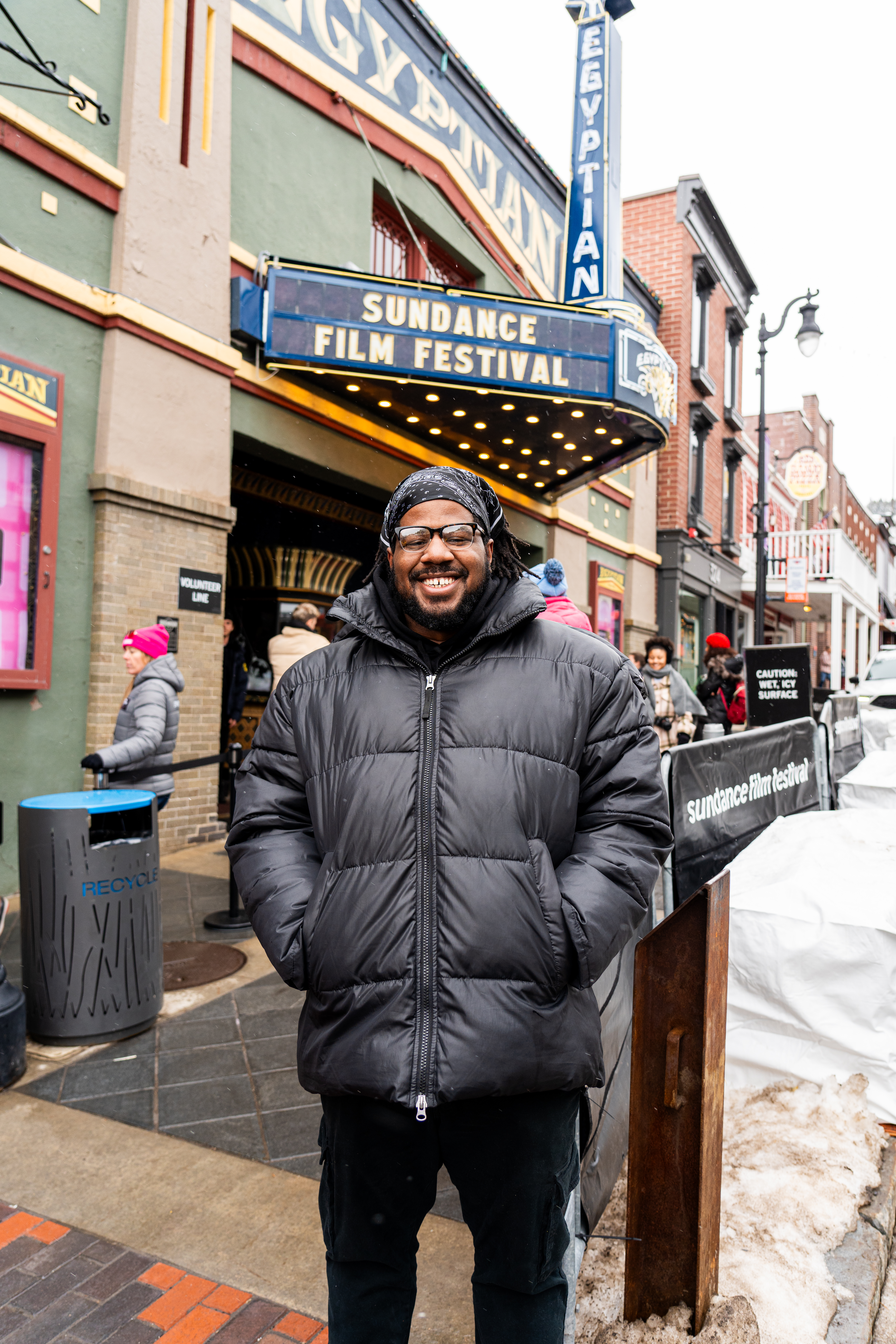
At the Milwaukee Film Festival I sat down with Vince Lawrence, the central figure in Move Your Body The Birth of House Music, directed by Elegance Bratton. What followed was not simply a conversation about sound or nightlife but a powerful reflection on Black identity resistance and the environments that gave birth to a global movement.
Lawrence spoke warmly about working with Bratton and producer Chester Algernal Gordon as they shaped a film centered on the earliest moments of his creative life. He described Bratton as a director with clarity and conviction from the very beginning especially in his belief that music some might consider dated still carried emotional and cultural power for audiences today.
One of the film’s great strengths is its commitment to place. Bratton insisted on recreating the homemade clubs and community built spaces that defined the early house scene. Lawrence noted that while he could not break down every technical choice the result was undeniable. Watching the film he felt transported back into those rooms and those nights where the music first took shape.
The conversation then turned to the deeper meaning of house music and how the film connects its origins to resistance and identity. Lawrence explained that to understand how house music could even exist in the late seventies audiences must first understand Chicago’s racial history. In the late sixties segregation was not distant memory but lived reality. Separate bathrooms restaurants and neighborhoods shaped daily life particularly for Black communities.
For viewers today that world can feel almost impossible to imagine yet Lawrence stressed that it was not long ago at all. The film carries the responsibility of educating audiences about the conditions that made house music necessary. The music emerged not just from creativity but from survival. House music was born out of and in spite of opposition to Black existence itself.
When I asked Lawrence to reflect on the parallels between house music and blues he placed house firmly within a long tradition of Black cultural innovation in America. Again and again Black culture has been dismissed or rejected only to later be adopted repackaged and separated from its origins. The blues gave rise to rock and roll. Jazz followed a similar path. House music experienced the same cycle.
It is a pattern that has repeated for generations and as Lawrence put it simply that is the game. Yet Move Your Body The Birth of House Music refuses to allow that history to be erased. The film reclaims house music as unapologetically Black communal and political rooted in joy resistance and self expression.
Speaking with Vince Lawrence made one truth clear. House music is more than a genre. It is a response to history a declaration of presence and a testament to the power of community. Thanks to this film that story is finally being told by the people who lived it.
Kickin’ It With Tyree.
Comments