

Adam Smith and Shun Powell Turn a Sci-Fi Idea Into a Milwaukee-Built Horror Film with Aromavision
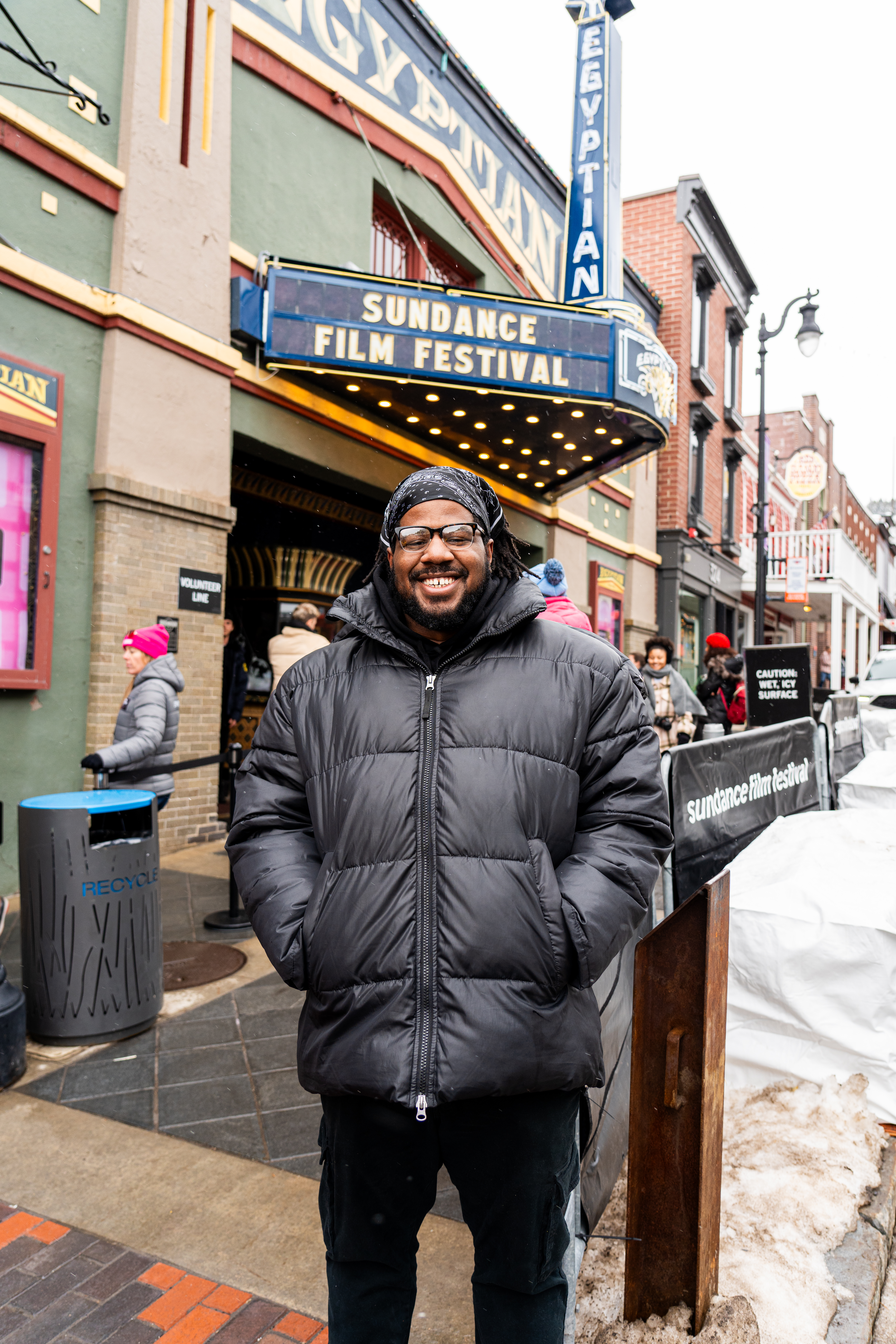
At the Milwaukee Film Festival, Aromavision stands as a testament to what can happen when creativity meets community.
Writer Adam Smith and director Shun Powell didn’t just make a film.
They built one from the ground up.
From Classroom Idea to Festival Screen
The origins of Aromavision go back nearly a decade.
Smith first developed the concept as a college assignment, tasked with creating a protagonist without dialogue.
The idea evolved into a surreal concept: a television that communicates through scent.
Years later, that concept was revisited, rewritten, and reimagined into the short film now screening at the festival.
A Film Born From Collaboration
Unlike traditional productions, Aromavision came together organically.
A group of creatives, many connected through shared experiences and opportunities, came together and asked a simple question:
Who wants to make a film?
Hands went up.
Roles were assigned.
And a project was born.
This volunteer-driven approach became one of the film’s greatest strengths.
Trusting the Vision
For Powell, directing the film meant staying true to Smith’s original concept while also bringing new ideas to the table.
The collaboration required balance.
Trust in the writing.
Freedom in execution.
And the ability to adapt when new ideas emerged on set.
The result is a film that feels both cohesive and experimental.
Milwaukee as a Character
Milwaukee plays a key role in shaping the tone of Aromavision.
From recognizable local spots to the city’s industrial history, the environment adds an eerie layer to the story.
Powell describes Milwaukee as a kind of “sleeper city” — a place where something strange could be happening beneath the surface without anyone noticing.
That concept aligns perfectly with the film’s sci-fi horror elements.
Learning to Let Go
One of the biggest lessons the creators took from the process was the importance of collaboration.
In an industry where creatives often wear multiple hats, Aromavision allowed its team to focus on their individual strengths.
By trusting others to handle different aspects of production, the film benefited from a wider range of talent and perspective.
A Future for Milwaukee Horror
Looking ahead, both Smith and Powell see Aromavision as part of a larger movement.
With growing support for filmmaking in Wisconsin, including potential incentives, they believe Milwaukee could become a hub for horror and genre filmmaking.
The city’s atmosphere, combined with its creative community, makes it an ideal environment for these types of stories.
There is even talk of expanding Aromavision into a feature.
A Cream City Film
At its core, Aromavision represents what it means to be a Midwest creative.
Building something from nothing.
Working with limited resources.
And relying on community to bring a vision to life.
As Powell puts it, it is about getting it out of the mud.
Brick by brick.
And in Milwaukee, that grind is what defines the work.
Comments