

John Carlo Rosillo Crafts a Distinct Visual Language for Aromavision
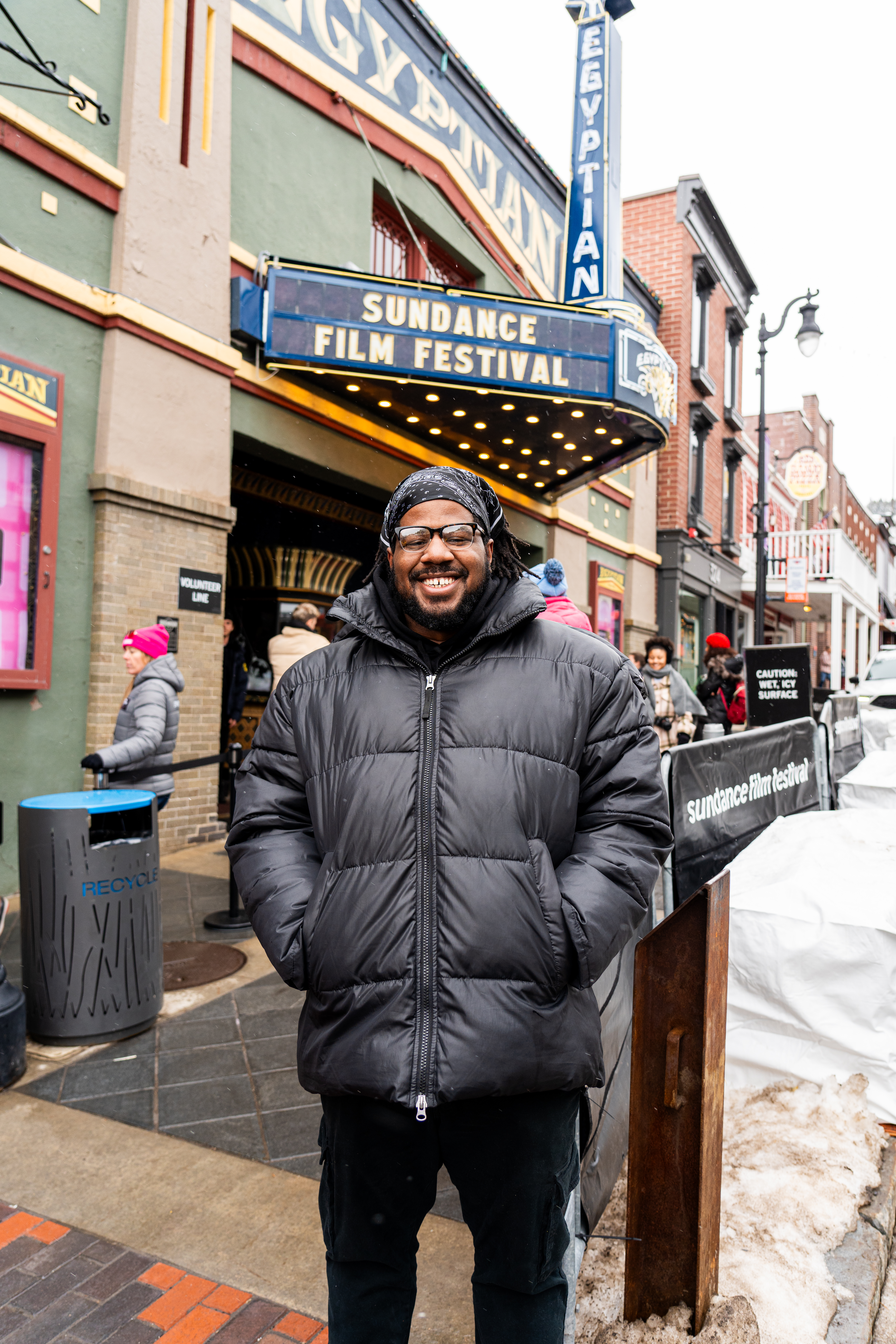
At the Milwaukee Film Festival, cinematographer John Carlo Rosillo brings a carefully constructed visual identity to the indie sci-fi horror film Aromavision.
Blending realism with stylization, his work helps define the tone of a film that thrives on discomfort and atmosphere.
From Reality TV to Narrative Film
Rosillo’s journey into Aromavision began through collaboration.
After working alongside members of the creative team on projects like Top Chef, he joined the film as part of a group of creatives looking to channel their energy into something more expressive.
The shift from reality television to narrative filmmaking offered an opportunity to explore a more cinematic approach.
Building Two Visual Worlds
One of Rosillo’s primary goals was to create contrast.
Daytime scenes were designed with a grounded, warm aesthetic, drawing inspiration from the harsh yet naturalistic look of Breaking Bad.
Night scenes, however, took a different approach.
Pulling from 70s and 80s horror — particularly the work of Sam Raimi — Rosillo introduced stylized lighting, colored tones, and heightened contrast.
The result is a film that visually shifts between reality and unease.
Creating Discomfort Through Lighting
Lighting plays a central role in shaping the audience’s emotional experience.
Rosillo intentionally used harsh and unnatural lighting setups to reflect the discomfort the main character experiences throughout the film.
Rather than smoothing out the visuals, he leaned into tension.
Making the audience feel unsettled became part of the visual strategy.
A Defining Shot Born on the Fly
One of the film’s standout moments came together unexpectedly.
During production, Rosillo suggested shooting a scene in front of a neon-lit location featuring a classic car.
The idea was inspired in part by films like Once Upon a Time in Hollywood.
The shot ended up becoming a key visual for the film — used in promotional material and helping define its aesthetic.
The Cream City Approach
For Rosillo, the experience reflects something larger about Milwaukee’s creative scene.
The “Cream City grind” is not just about working harder.
It is about working together.
Filmmakers take on multiple roles, collaborate across projects, and support each other without the expectation of immediate return.
That spirit of collaboration allowed Aromavision to come together organically.
Looking Ahead
While cinematography remains a major part of his work, Rosillo has his sights set on directing.
Like many Midwest creatives, he has multiple projects in development — ideas that have been evolving over years.
The long-term goal is to transition from supporting roles into leading creative positions behind the camera.
A Growing Creative Ecosystem
Rosillo also points to the importance of expanding support for filmmaking across Wisconsin.
While Milwaukee serves as a hub, there is a growing community of creatives across the state.
Festivals provide opportunities for those communities to connect, collaborate, and grow.
And for Rosillo, that sense of shared progress is what makes the work worthwhile.
Comments