

Tribeca Festival 2026 Recap | The Stories That Stayed With Me
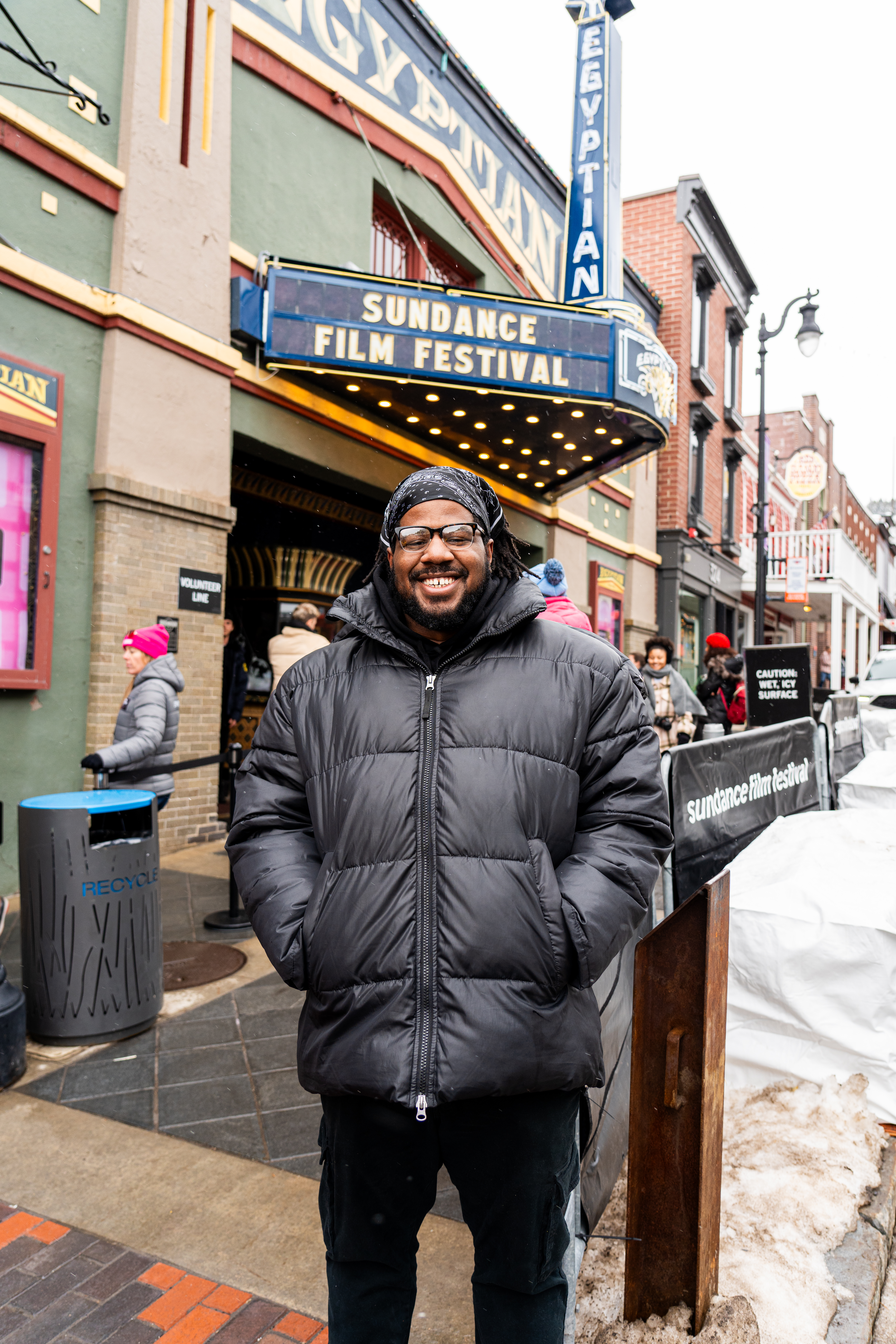
Some film festivals are about celebrities.
Some are about premieres.
For me, the Tribeca Festival has always been about conversations.
It's about sitting across from filmmakers who have spent years bringing deeply personal stories to life. It's about hearing actors explain why one role changed them. It's about documenting voices that deserve to be heard long after the red carpet is rolled up.
This year, Kickin' It With Tyree had the opportunity to conduct more than 30 exclusive interviews with directors, actors, producers, composers, and creators from around the world. While every conversation was different, one thing connected them all:
Every filmmaker was searching for truth.
Whether that truth came through animation, documentary, horror, comedy, sports, or deeply personal family stories, Tribeca once again proved why independent cinema remains one of the most powerful forms of storytelling.
Stories That Refused to Be Forgotten
One of the strongest themes throughout this year's festival was memory.
Director Fatma Al Ghanim returned to one of the most emotional moments of her life in Theatre of Dreams, documenting the pioneering Qatar Women's National Football Team while finally allowing herself to process emotions she had buried for years.
"It's not over," she explained. "Sometimes dreams simply take a different route."
That same idea echoed throughout the festival.
In Hope, director Javier Cruz-Ginez transformed his parents' immigration journey into a moving portrait of family, sacrifice, and belonging, reminding audiences that behind every policy debate are real people with real stories.
Executive Producer Ramcess Jean-Louis and director Elisée Junior St. Preux carried a similar message through The Tropic Sun and His Eyes, presenting Haiti through a lens of humanity, resilience, and hope rather than stereotypes.
Reinvention Was Everywhere
If there was one word that defined Tribeca this year, it might have been reinvention.
Former supermodel Monika 'Jac' Jagaciak shared how Brazilian Jiu-Jitsu completely reshaped her confidence in White Belt.
Director Branislav Jankic described the film as proof that success doesn't mean your journey is finished.
"You can reinvent yourself," he said.
That message extended beyond sports.
Director Ty Molbak explored vulnerability and young love in You Tryna Say You Love Me?, while actors Asante Blackk and Malia Pyles discussed portraying characters searching for honesty in relationships.
Looking at Ourselves Through Technology
Technology became another recurring conversation.
Actress Jessica DiGiovanni and writer-director Matt Eames explored how social media shapes identity in Deepfake.
Their interviews became less about apps and algorithms and more about something much deeper:
Validation.
Self-worth.
The fear of not being enough.
It served as a reminder that some of our biggest modern struggles aren't technological at all—they're emotional.
Animation Continues to Push Boundaries
Animation remained one of the most creatively daring sections of the festival.
I spoke with Spike Lee and director **Pola Maneli> about Apart, an emotionally devastating story set during apartheid South Africa that explores friendship, racism, and sacrifice.
The team behind Sorrow Doesn't Sleep at Night discussed grief, memory, and visual storytelling, while Stephen P. Neary celebrated his Tribeca Award-winning animated documentary Living with a Visionary.
Animation once again proved it isn't a genre.
It's simply another language for telling powerful human stories.
Documentaries That Challenge Perspective
Tribeca's documentaries continued to ask difficult questions.
Doron Max Hagay explored aging and companionship through She Keeps Me Young.
Barbara Attie, Janet Goldwater, and Mike Attie reflected on activism, justice, and preserving stories that history often overlooks.
In Kids Like Me, directors Cynthia Lowen and Jon Cohrs, along with Oliver and his family and executive producer Tony Shalhoub, reminded audiences that disability stories deserve to be told with joy, imagination, and authenticity—not pity.
Family Was the Real Main Character
Across nearly every interview, one theme kept returning.
Family.
Whether it was Hope, The Tropic Sun and His Eyes, Cookie, Love, Kids Like Me, Theatre of Dreams, or White Belt, each filmmaker ultimately came back to the same idea.
Who shaped us?
Who sacrificed for us?
Who do we become because of them?
Writer-director Sari Arambulo beautifully explored those questions through Cookie, Love, examining identity, culture, and family expectations with warmth and honesty.
Conversations Beyond the Screen
Tribeca wasn't limited to film.
Music also found its place at the festival through conversations with composer Tom Kingston and filmmaker Sam Jones, whose documentary Mumford & Sons: The House Band explored the creative bond behind one of modern folk music's most influential groups.
Why Independent Film Matters
After dozens of interviews, countless screenings, and days spent moving from theater to theater across New York City, one realization became impossible to ignore.
Independent filmmakers aren't chasing trends.
They're chasing truth.
They're telling stories that studios often overlook.
Stories about immigrants.
Stories about disability.
Stories about women redefining themselves.
Stories about fathers and sons.
Stories about grief.
Stories about identity.
Stories about hope.
Those stories are exactly why festivals like Tribeca matter.
Looking Ahead
As another Tribeca Festival comes to a close, I'm leaving with far more than footage.
I'm leaving with conversations.
Friendships.
Perspective.
And a renewed appreciation for storytellers who continue to challenge, inspire, and remind us why movies matter.
To every filmmaker, actor, producer, composer, publicist, volunteer, and festival staff member who made these conversations possible
Thank you.
Until next year.
Comments