

Sidney Fussell Examines Viral Witnessing and Digital Trauma in #WHILEBLACK
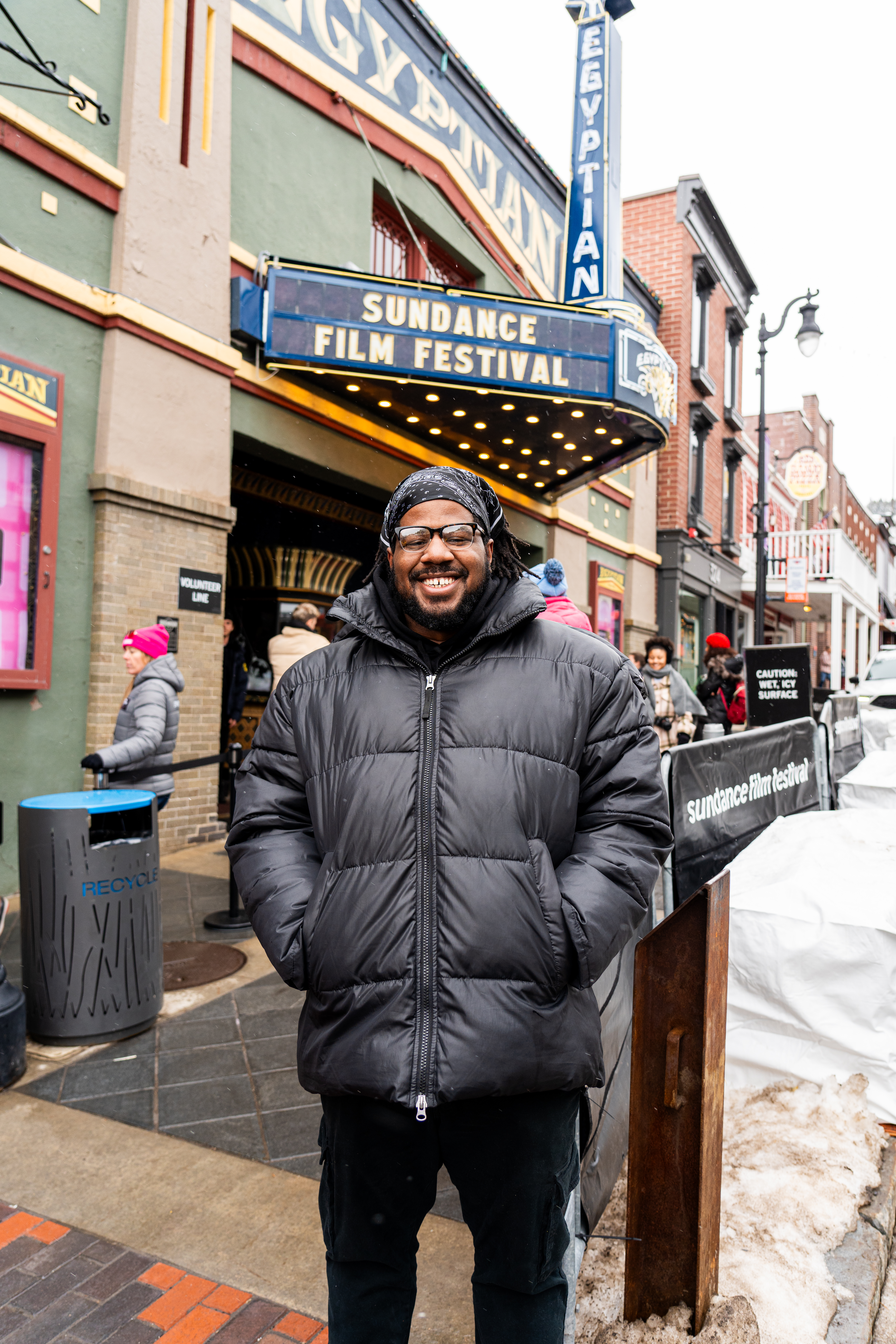
At SXSW, journalist and filmmaker Sidney Fussell presents a documentary that asks a difficult but urgent question.
What happens after a moment of witnessing becomes global news?
His film #WHILEBLACK examines the ripple effects of viral videos documenting police violence and how those images continue to circulate long after the moment they captured.
The Witness Behind the Camera
At the center of the film is Darnella Frazier, the teenager who filmed the murder of George Floyd in Minneapolis in 2020.
Her video sparked worldwide protests and became one of the most viewed and discussed moments in modern American history.
But #WHILEBLACK looks beyond the moment itself.
Instead, the film focuses on what happens to the people who record these events and how their lives change afterward.
Viral Trauma
Fussell approached the story not only as a filmmaker but also as a journalist.
Before directing the documentary, he spent a decade reporting on technology for publications like The Atlantic and Wired, analyzing how emerging technologies impact marginalized communities.
That background shaped the central question of the film.
Not just what the video showed.
But how it spread.
The George Floyd video circulated across social media platforms, television broadcasts, and news websites, accumulating millions of views while generating comments, reactions, and advertising revenue.
For Fussell, that raised an uncomfortable reality.
Moments of Black trauma can quickly become viral content.
The Psychological Impact
The film also explores the emotional toll of witnessing.
Alongside Frazier, the documentary features figures like Diamond Reynolds, who livestreamed the police shooting of Philando Castile in 2016, and the daughter of Rodney King, whose beating in 1992 was captured on video.
Despite decades between those events, the experiences of these witnesses share striking similarities.
Many describe the same psychological weight.
The videos follow them for years.
They reappear online unexpectedly.
And the moment they captured becomes permanently attached to their identity.
The Internet’s Incentive Structure
One of the most striking aspects of the documentary is its investigation into how social media platforms monetize viral footage.
Using data research and visual graphics, the film examines how clips from protest footage and police violence have been used in online advertising campaigns.
Some businesses even repurpose such footage in marketing materials promoting products like security equipment or firearm training.
The result reveals a troubling system.
The intentions of the witness who recorded the moment can become completely detached from how the footage is later used.
Responsible Witnessing
The film ultimately raises a broader question about the digital age.
If witnessing injustice has become unavoidable, what does responsible witnessing look like today?
For Fussell, the answer is not simple.
Recording injustice can be powerful and sometimes world changing.
But safety must always come first.
There are many ways to support justice beyond recording or sharing traumatic footage.
Why SXSW
Fussell believes SXSW is the perfect place to premiere the film.
The festival sits at the intersection of technology, culture, journalism, and storytelling.
That interdisciplinary environment mirrors the themes of #WHILEBLACK itself.
Because the film is not just about a viral video.
It is about the digital systems that shape how society processes those moments.
And the people whose lives are forever changed when they press record.
Comments