

Reimagining Suburbia: Celeste Hughey on Reinventing The ’Burbs for a New Generation
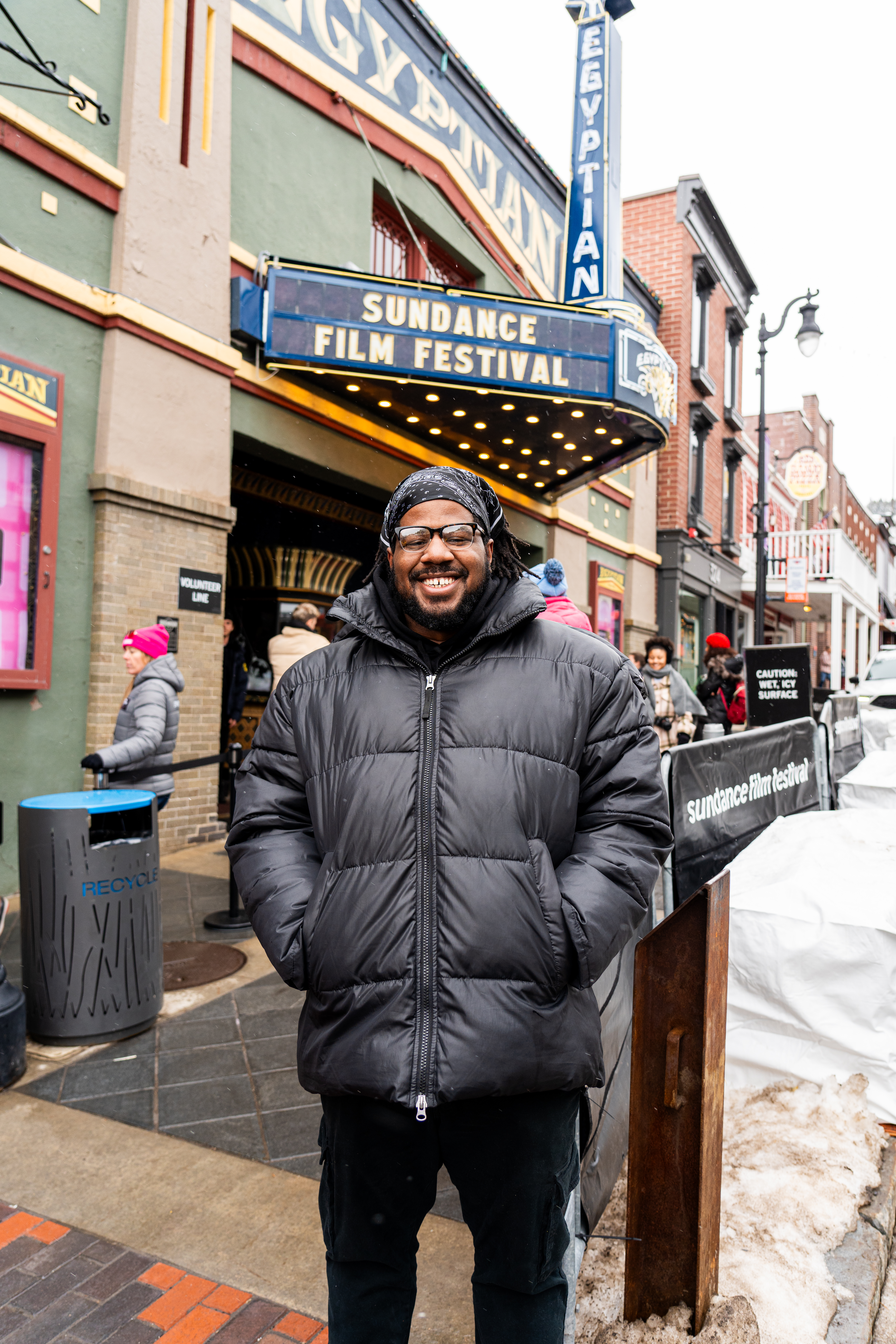
Suburbia has always been a place of quiet tension.
Perfect lawns. Closed doors. Smiles that don’t quite reach the eyes.
In Peacock’s reboot of The ’Burbs, creator and showrunner Celeste Hughey leans directly into that tension, only this time, the story is told through a perspective that was never at the center of the original: a Black woman navigating life in a predominantly white suburban neighborhood.
For Hughey, this wasn’t about recreating a cult classic. It was about reframing it.
A New Way In
Rather than treating The ’Burbs as something sacred, Hughey approached the reboot as an opportunity to explore the same questions from a completely different point of view. What does suspicion look like when you’re the newcomer? What does safety mean when you’re hyper-aware of how you’re being perceived?
By centering the show around a Black wife and mother adjusting to suburban life, Hughey shifts the premise from pure paranoia into something more layered, where humor and unease can coexist.
The neighborhood isn’t just mysterious. It’s socially coded.
And every interaction carries weight.
The Suburbs as a Pressure Cooker
Hughey sees suburbia as one of the most fascinating settings for storytelling because of how much it demands silence. The spaces are open, but the expectations are tight. You’re meant to blend in, follow unspoken rules, and not ask too many questions.
That’s what makes it dangerous.
When curiosity becomes nosiness and community turns into surveillance, even a friendly wave across the street can feel like scrutiny. The cul-de-sac becomes less of a comfort and more of a closed loop. One where everyone is watching and no one is saying exactly what they mean.
It’s comedy, yes. But it’s also social observation.
Casting Intention
From the very beginning, Hughey had a clear vision for who could anchor this world emotionally. Keke Palmer wasn’t just a casting decision, she was part of the creative blueprint.
Palmer’s ability to balance vulnerability with sharp comedic timing made her the ideal guide through a story that constantly shifts between humor and suspense. Through her performance, the show grounds its mystery in lived experience, allowing audiences to laugh while still questioning what lies beneath the surface.
Honoring the Original Without Repeating It
Reboots often struggle under the weight of nostalgia, but Hughey’s goal wasn’t to replicate iconic moments from the 1989 film. Instead, she focused on capturing its tone, its playful paranoia, its neighborhood intrigue, and translating that into a contemporary setting shaped by new social dynamics.
Easter eggs remain for longtime fans, but the story moves forward.
This version of The ’Burbs asks different questions. Who gets to feel safe? Who is considered suspicious? And how quickly can friendliness turn into fear?
A Story About Knowing and Not Knowing
At its core, the show is about proximity.
How well do we really know the people living next door? And what assumptions do we make when someone new arrives?
Through comedy, mystery, and a sharp awareness of social context, Hughey transforms the suburban landscape into something both familiar and unsettling. The lawns are still green. The houses still match. But the comfort is conditional.
And sometimes, the scariest thing isn’t what your neighbor is hiding.
It’s what you’re projecting onto them.
The ’Burbs is now streaming on Peacock.
Comments