

Filming with Care Bryan Gentry on Trust and Responsibility in When A Witness Recants
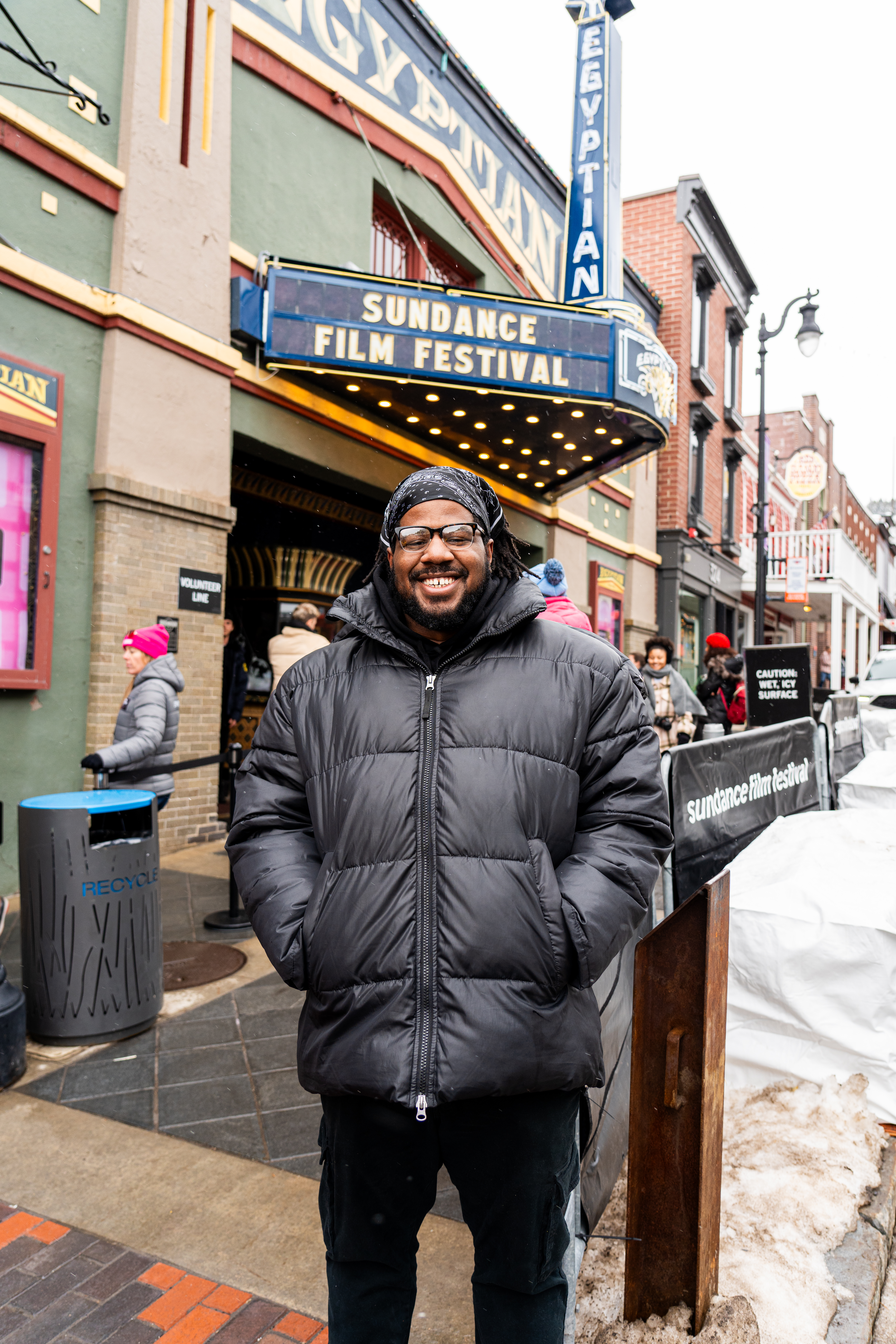
For cinematographer Bryan Gentry, documenting truth meant letting go of control.
In When A Witness Recants, a documentary centered on three men who spent 36 years in prison before being exonerated, the visual language could not come from aesthetics alone. It had to come from trust.
Speaking with Kickin’ It With Tyree, Gentry described the project as fundamentally different from anything he had worked on before. Having recently shot the documentary Luther, a film built around celebration and legacy, he entered When A Witness Recants with an entirely different mindset.
This was not a story that needed to be stylized.
It needed to be protected.
Presence Over Perspective
Rather than imposing a signature look, Gentry focused on being present for the film’s subjects. These were men who had experienced decades of systemic failure. Every interview required patience, sensitivity, and a willingness to let silence exist.
Trust was not automatic.
It had to be earned.
In many cases, that meant respecting boundaries and stepping back when emotions surfaced. The goal was not to capture dramatic footage but to create a safe environment where honesty could emerge naturally.
Baltimore as Context
Gentry also emphasized the importance of treating Baltimore as historical context rather than spectacle. Instead of reducing the city to visual shorthand, the film situates its story within a broader narrative about justice and survival.
The environment becomes part of the truth without overwhelming it.
This approach required restraint. Camera placement, lighting, and framing were all designed to support the subjects rather than distract from them.
Support Not Sensationalism
For Gentry, cinematography became less about creating images and more about offering support. The camera could not interrupt the process of healing. It had to move quietly, respectfully, and with intention.
This experience reshaped how he approaches storytelling.
Sometimes the most responsible choice is not to make a moment look cinematic at all.
It is to let it be real.
In When A Witness Recants, that philosophy guides every frame, reminding viewers that documentation is not just about what is seen but how it is witnessed.



Comments