

Facing the Unspoken: Alex Woodruff on Thomasville and the Conversations We Avoid
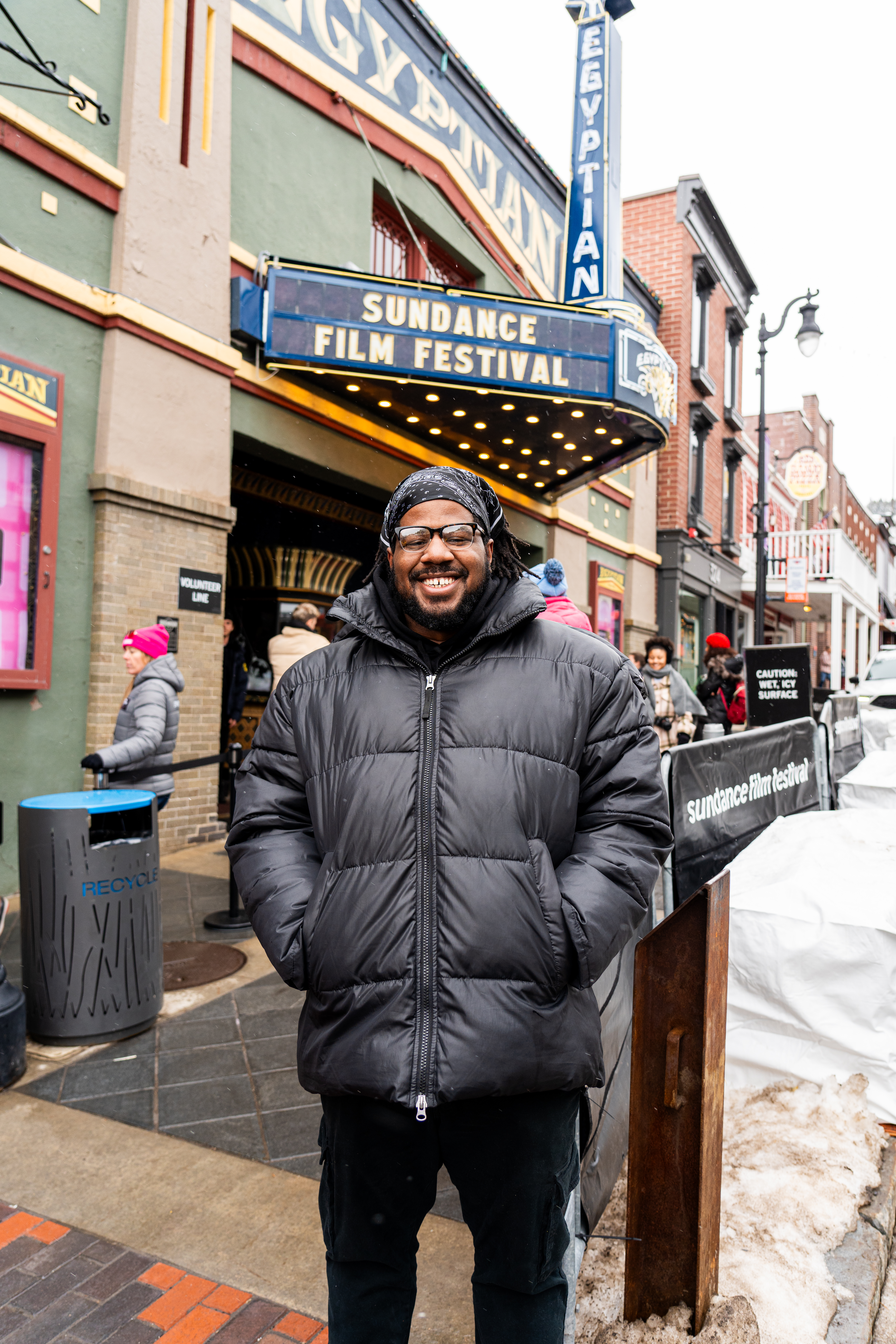
At the Milwaukee Film Festival, Thomasville stood out as a quiet gut punch. A short film that doesn’t rely on spectacle, but instead sits in a fear many people carry and rarely voice. I caught up with writer-director Alex Woodruff to talk about where the film came from, why its dialogue cuts so deep, and what legacy really means to him.
Woodruff describes Thomasville as being born from a personal nightmare: the fear that he would only have moments, or none at all to see his father before he passed away. As many sons discover once they reach their thirties, watching a parent’s health decline brings a new kind of anxiety. For Woodruff, that anxiety became a story.
He wanted to live inside the moment of crisis, the uncertainty of whether he’d even make it to the hospital, or whether fear would paralyze him before he could step out of his car. And if he couldn’t move, what then? Would memory take over? Would grief conjure something unreal? That question became the foundation of Thomasville, a film that exists in the space between reality and spirit, between presence and absence.
The conversation naturally turned toward fathers and sons, and the conversations that too often never happen.
Woodruff didn’t hesitate. He believes nothing should be off the table. “Have every conversation you possibly can,” he shared. “Be honest. Bring love into it.” For him, that belief is deeply tied to Black fatherhood and generational trauma. When people endure trauma collectively, they often retreat inward. Silence becomes protection. Vulnerability feels like risk.
That silence, he says, is something Black men in particular have to work through—especially with their fathers. There’s a fear that saying the wrong thing might cost you the relationship altogether. Thomasville was shaped by the conversations Woodruff hadn’t yet had with his own father, and in a powerful turn, the film helped open those doors in real life.
Through writing, producing, and ultimately showing the film to his dad, Woodruff found that art became a language of its own. His father, an artist, photographer, and chef recognized the love embedded in the work. Sometimes the film spoke where words didn’t need to.
One of the most striking elements of Thomasville is its dialogue, raw, restrained, and painfully honest. Woodruff explained that dialogue was the one area where early feedback was unanimous. People responded to how real it felt. Instead of forcing cinematic moments, he leaned into honesty.
He wrote the conversations not as he wished they would go, but as they actually would. Parents don’t always respond the way we want. They don’t offer perfect closure or the exact words we’re hoping to hear. That friction, that disappointment, is what makes the dialogue authentic. It mirrors real life, where love exists alongside misunderstanding.
When I asked Woodruff what legacy means to him, his answer was simple and expansive.
Legacy, for him, is putting love into the world in every way possible, big, small, and everything in between. Love leaves an imprint. It lasts longer than a name, longer than a lifespan. He sees Thomasville as one of those imprints, not just on himself or his family, but on audiences who feel seen by the story, whether they’re from Atlanta, Milwaukee, or anywhere else.
People recognize when something is made with care. That’s what stays with them.
Thomasville isn’t just a film about a father and son, it’s about the conversations we postpone, the fears we bury, and the healing that can begin when we finally face both. And in that honesty, Alex Woodruff leaves behind exactly the kind of legacy he believes in.
Kickin’ It With Tyree.


Comments